
 PT
PT  EN
EN Labiaplasty recovery: what to expect week by week
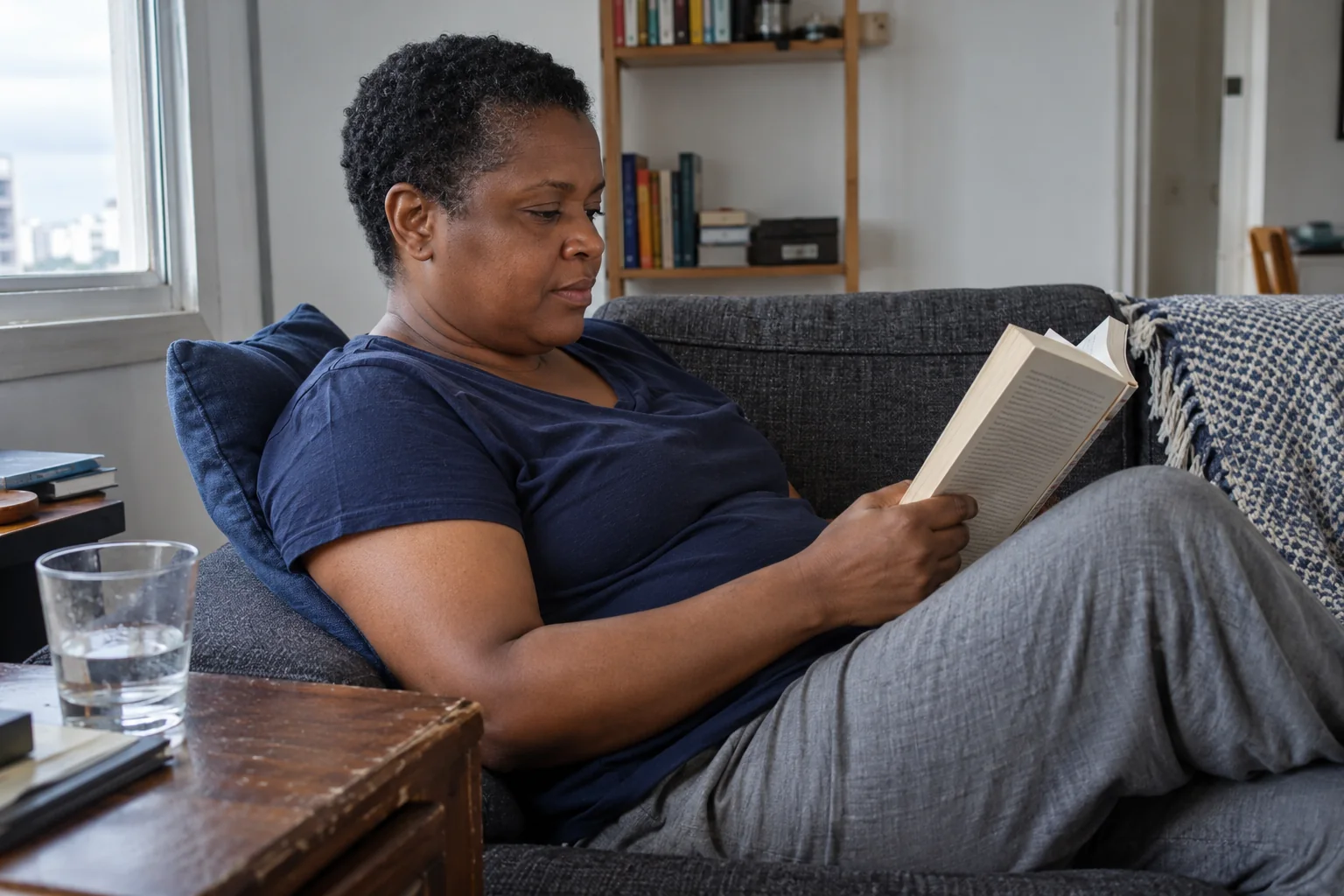
Knowing what to expect at each stage of recovery is one of the best ways to go through the labiaplasty post-operative period with peace of mind. When a patient knows the normal sequence of events, the swelling of the first few days stops being frightening, tenderness is understood as part of the process, and it becomes much easier to notice when something really is out of the ordinary and deserves a call to the team.
Every body has its own pace, and factors such as the extent of the surgery, combination with clitoral hood reduction, sleep quality, nutrition and discipline with the instructions influence how fast recovery goes. Even so, the course after labiaplasty usually follows a fairly predictable pattern, which we describe below, week by week.
This guide is informational. The specific instructions for your case are always the ones given by Dr. Melissa and her team, before and after the procedure, and they take precedence over any general text.
Recovery is a gradual process: each week brings a new stage, and the final result settles in over time.
Surgery day: labiaplasty is performed under local anesthesia, on an outpatient basis, and you go home the same day. We recommend coming with a companion and not driving. In the first few hours, as the anesthetic wears off, mild discomfort may appear, which the prescribed medication controls well. Ideally, get home, lie down with your legs slightly apart and rest.
Days 1 to 3: this is the stage of greatest swelling and tenderness, and it is important to know this in advance, because the area may look larger and more irregular than expected. This is normal and does not reflect the final result. Discomfort is usually mild, controlled with medication, and the rules are relative rest, careful local hygiene, loose cotton clothes and avoiding excessive heat. Light bleeding may occur during these days; heavy bleeding should be reported to the team.
Days 4 to 7: the swelling starts to go down noticeably and tenderness decreases. Many patients already feel well enough for quiet tasks at home, although they should still avoid standing for long periods, sitting for extended stretches without breaks and any exertion. Around day 7, most return to light activities, such as working seated, walking short distances and handling their routine.
Weeks 2 and 3: healing progresses quickly at this stage. The stitches are absorbable and come away gradually, with no need for removal; it is common to find small fragments of thread in your underwear, which is nothing to worry about. The area becomes progressively more comfortable and the appearance starts to approach the planned contour, still with some residual swelling.
Weeks 4 to 6: gradual clearance
Between the fourth and sixth week comes the most awaited stage: clearance for physical exercise, cycling, swimming and sexual intercourse. It is not automatic and does not happen on a fixed date, but according to the assessment at the follow-up visit, when Dr. Melissa confirms that healing is complete. Until then, intense activity can cause friction, open stitches or increase swelling, delaying recovery.
The return should be gradual. With exercise, start at reduced intensity and watch the area; with intercourse, take it slowly and use a lubricant if needed. Slight residual tenderness to touch may persist for a few more weeks and fades with time.
From 2 to 6 months: scar maturation
Once the acute phase has passed, progress continues quietly. The swelling disappears completely and the scar, which in the first few weeks may look red, firm or irregular, matures: it lightens, softens and gradually blends in with the surrounding tissue. This is when the definitive contour reveals itself.
That is why the advice is not to judge the result too early. Comparison photos taken in the second week, for example, show an intermediate stage and can cause unnecessary anxiety. The final result usually becomes defined over a few months, and the team follows your progress throughout this period.
What can speed up or slow down recovery
Helpful: following the hygiene instructions closely, taking the medication at the indicated times, sleeping well, staying hydrated and eating well, wearing cotton clothes and respecting the rest period in the first few days. It also helps to stay in touch with the team about any question, however small it may seem.
Harmful: early physical exertion, friction from tight clothes, excessive heat, such as very hot showers, hot-water bottles and saunas, use of products not recommended for the area, intercourse before clearance and smoking, which impairs healing in general. None of this necessarily compromises the result, but it can prolong the process.
When should I contact the team?
Immediately, if there is heavy bleeding that does not stop with pressure, severe pain that does not improve with medication, fever, foul-smelling discharge or opening of the stitches. These signs are infrequent, but they require prompt assessment. Beyond those situations, any question deserves a call: the team prefers to be contacted early, even just to say that everything is within the expected range. For patients who live in another city or country, follow-up is done remotely, by video calls and messages, with no need to return in most cases. With information and follow-up, labiaplasty recovery is usually smoother than most patients imagine.
- Surgery day: local anesthesia, discharge the same day, come with a companion.
- Days 1 to 3: peak swelling and tenderness, controlled with medication.
- About 7 days: return to light activities.
- Weeks 2 and 3: absorbable stitches come away on their own.
- 4 to 6 weeks: gradual clearance for exercise and intercourse, at the follow-up visit.
- 2 to 6 months: scar maturation and final result.
- Avoid exertion, friction, excessive heat and non-recommended products.
- Heavy bleeding, fever or severe pain: contact the team immediately.